Lesson Plan:
| Time | Activity | Learning outcomes/Results |
| 5 minutes | Intro to instax and polaroid photography | Background and history |
| 3 minutes | Technical elements; looking at how the camera works, settings and different modes | Learn how the equipment works and how to use it. Challenges and opportunities that they might encounter using the equipment |
| 10 minutes | Working in a group: Using the equipment given, take photographs | Object based learning: promoting experimentation with the equipment and techniques. Try something new and learn technical skills on how to use the equipment. |
| 3 minutes | Conclusion | Summarise the session and the go through the key aims and learning outcomes of the session and how they can apply it to their practice. |
Background:
My teaching practice reflects my background in photography and moving image so a lot of the workshops that I run focusing on different approaches in photography, moving image and storytelling.
By nature, these workshops have elements of studio and object-based learning. I also incorporate theory and research skills to support contextual awareness. I wanted to create a microteaching session to reflect my teaching practice and to receive feedback to better understand the way that I teach.
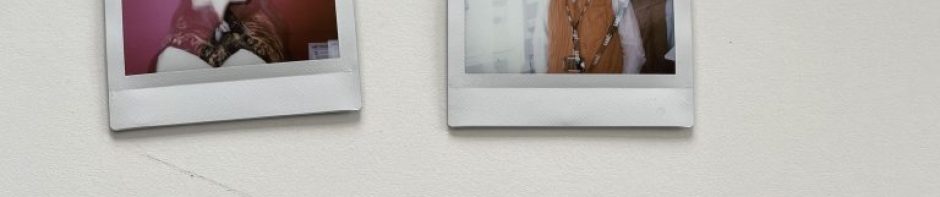
The session was on creating portraits with an instax camera which came with challenges and opportunities. I didn’t know if the participants had any knowledge on instax cameras so it meant that I had to spend more time to explain how to use the equipment. On the other hand, I show them something new and let them experiment with a new approach and technique.
Feedback:

The session went better than I expected even though I was a bit nervous and didn’t stick to my lesson plan. The feedback that I got from my peers were really helpful, constructive and positive.
They enjoyed the fact that it was active and that you can create an outcome and how they collaborate with each other. Also, the introduction and history of instax cameras really helped to put a context around the theme of the session and made them understand more about it.
They also mentioned that it would be great to have included some visuals examples so they can understand what the outcome should look like. Another thing was that I had only one camera available which means whenever a group was using the camera and taking pictures the other group was unsure of what they should do. So, I should have structured the task and directed it based on the limitation of the equipment and to keep the participants engaged.
Reflection:
As kind of new into the teaching world, it was great to get feedback on my teaching practice but also to take part to other people’s sessions and see how they structure and deliver workshops and how they dealt with different challenges and opportunities. One of the sessions that I really enjoyed was about unique photobooks which was accompanied with a questionnaire that helped explore further the different books. It reminded me a lot of how I explore photography and how I incorporate that exploration in my teaching. The session was really enjoyable and productive and it made me realise that I should trust myself and be confident of what I deliver.
Refferences:
Chatterjee, H.J. & Hannan, L. (2016), Engaging the Senses: Object-Based Learning in Higher Education, Taylor & Francis Group, London. Available from: ProQuest Ebook Central. [10 March 2024].
Lindström, L. (2012), Aesthetic Learning About, In, With and Through the Arts: A Curriculum Study, Available at: https://onlinelibrary.wiley.com/doi/10.1111/j.1476-8070.2012.01737.x (Accessed: 10 February)
Orr, S. & Shreeve, A. (2017), ‘Teaching Practices for Creative Practitioners’ in S. Orr & A. Shreeve, Art and Design Pedagogy in Higher Education : Knowledge, Values and Ambiguity in the Creative Curriculum, Taylor & Francis Group, Milton. Available from: ProQuest Ebook Central. [ 10 February 2024].